The Saints intended to win that game. So apparently they should have.
Some people just feel they have to be the smartest in every room....
Some people just feel they have to be the smartest in every room....

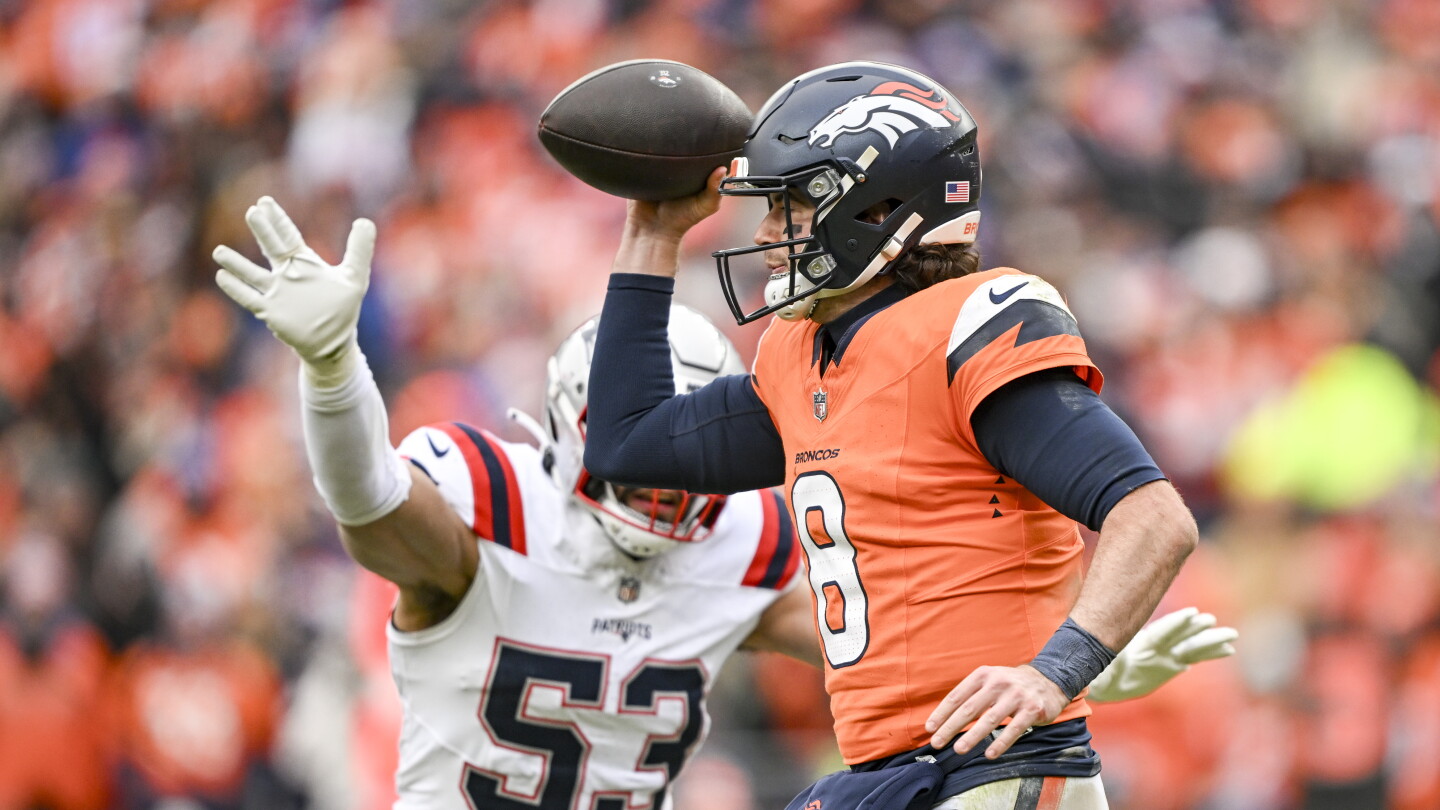
 www.nbcsports.com
Your gif confirms everything I said. It shows him throwing the ball. His throwing motion entered its forward phase with control of the ball. That's why it's an incomplete pass. That is the rule.His arm wasnt moving forward, its not even debatable
Not according to the NFL's rulebook.Yeah, and thats a Fumble....
That play is a fumble for the same reason the Russell Wilson play is a fumble. Stidham intentionally threw the ball to avoid the sack, and he threw it backwards. The defender's hit didn't jar it out of his hand as he was in the process of throwing it.Looks like we got another new fake rule to contend with. Like that 10-year stretch when we never knew what was and wasn't a catch. Disgraceful overthinking stupid League.
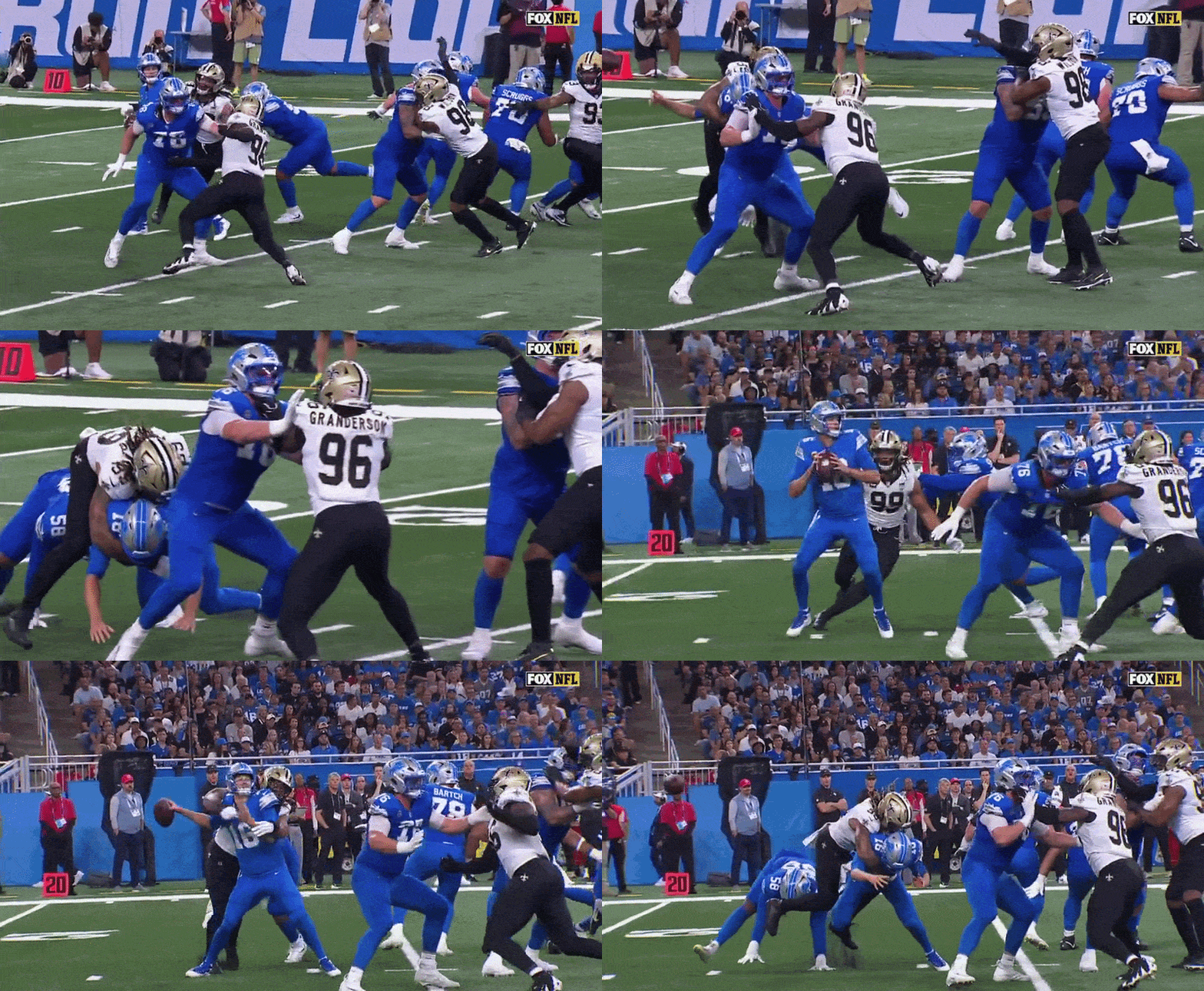
Weird rule from Saints-Lions wasn't mentioned during AFC Championship
That strange rule no one seemed to know about had a major impact on the Week 1 game between the Saints and Lions.
Yep. The same rule book that gave us the bullshit Tom Brady Tuck Play, which was forced to be repealed eventually.Your gif confirms everything I said. It shows him throwing the ball. His throwing motion entered its forward phase with control of the ball. That's why it's an incomplete pass. That is the rule.
Not according to the NFL's rulebook.
@jrry, it needs to be noted that your analysis of the Goff play is not consistent with Mike Pereira's analysis of the Goff play.Your gif confirms everything I said. It shows him throwing the ball. His throwing motion entered its forward phase with control of the ball. That's why it's an incomplete pass. That is the rule.
Not according to the NFL's rulebook.
Respectfully, you're misunderstanding. We're all saying the same thing. Y'all keep thinking of "forward" as meaning in relation to the LOS. I've been very clear that I am talking about the forward phase of the throwing motion. The QB winds up, bringing the ball back, and then his arm/hand come up and forward (whether he's throwing a backwards pass or a forward pass) to throw it. They are saying that as soon as Goff's arm begins the forward phase (i.e., he's no longer winding up), it's a pass if he has control of the ball. And if a defender hits you while you are attempting to throw a forward pass and jars the ball loose, it does not matter where the ball ends up. It's a forward pass.@jrry, it needs to be noted that your analysis of the Goff play is not consistent with Mike Pereira's analysis of the Goff play.
You point out that Goff's arm was moving forward in relation to his torso.
But that's not what Pereira's noted.
pereira and the NFL focused on the motion from when the ball was at Goff's waist and as he brought it back up to his shoulder.
Pereira noted that Goff's "throwing motion" began as soon as the ball separated from Goff's LEFT hand-- that is, as Pereira said, "as soon as he started bringing the ball UP".
It needs to be noted that, even by your definition, Goff's hand was moving "backward and up" at that time. Goff's hand (and the ball in it) was going back and up immediately after the ball separated from his left hand.
Surely you can acknowledge that you don't care for this particular aspect of the rule?
Butterworth confirmed Pereira's explanation when he said:
"The determining factor is does the passer begin his throwing motion prior to contact from the defender. The throwing motion starts as he begins to bring the ball up as a part of his windup..."
@jrry, is it safe to say that you don't care for this "beginning of the windup" aspect of the rule?
If you can, please re-watch the video of Pereira analyzing the play. Pereira clearly implies the throwing motion starts EVEN BEFORE Goff's hand supposedly moves forward.
Terrible rule...

The earth is roundYour gif confirms everything I said. It shows him throwing the ball. His throwing motion entered its forward phase with control of the ball. That's why it's an incomplete pass. That is the rule.
Not according to the NFL's rulebook.
Got it. You think Goff was still bringing it back as part of his wind up. Good to know. You're wrong, but I'm not going to change your mind.The earth is round
And his arm isnt going forward

You keep adding up and forward. That's not right. It's just up, which starts the throwing motion.Got it. You think Goff was still bringing it back as part of his wind up. Good to know. You're wrong, but I'm not going to change your mind.
"Upon further review"... I'll have to grudgingly concede to you your particular point about the distinction between "windup" and "arm moving forward." When Butterworth and Pereira talk about " the windup" and the "bringing the ball up", they are merely bolstering their case about the QB's "intent."Respectfully, you're misunderstanding. We're all saying the same thing. Y'all keep thinking of "forward" as meaning in relation to the LOS. I've been very clear that I am talking about the forward phase of the throwing motion. The QB winds up, bringing the ball back, and then his arm/hand come up and forward (whether he's throwing a backwards pass or a forward pass) to throw it. They are saying that as soon as Goff's arm begins the forward phase (i.e., he's no longer winding up), it's a pass if he has control of the ball. And if a defender hits you while you are attempting to throw a forward pass and jars the ball loose, it does not matter where the ball ends up. It's a forward pass.
The key question on plays like this is whether the QB was still winding up (i.e., pulling it back) or whether he was beginning the forward phase of the throwing motion (i.e., passing the ball). If he loses control before the forward phase, it's a fumble. If he loses control due to a defender's hit after the forward phase, it's incomplete.
I would hope that nobody would dispute that Goff is no longer bringing the ball back as part of his wind up. He clearly is passing the ball. The people who think it should be a fumble take that stance because he passed it backwards. The NFL rule is that does not matter if a defender's hit is what jarred it loose and forced it backwards.
Good Lord, you two guys just keep talking past each other. You're just using two different definitions of the word "forward."Got it. You think Goff was still bringing it back as part of his wind up. Good to know. You're wrong, but I'm not going to change your mind.
Yep that's just Goff's limp ass wrist coughing the ball up when he suffers contact. Calling that a forward pass is absurd.His arm wasnt moving forward, its not even debatable
Not just that, but also it's the defender that causes his "forward throwing motion". That arm would have still been recoiling, as we ALL know Goff's long looping throwing motion, if not for the hit.Yep that's just Goff's limp ass wrist coughing the ball up when he suffers contact. Calling that a forward pass is absurd.
Detroit Head Coach Dan Campbell, more or less said it was a Fumble. NFL, please stop proverbially jerking us off.Not just that, but also it's the defender that causes his "forward throwing motion". That arm would have still been recoiling, as we ALL know his long looping throwing motion, if not for the hit.
It's a fumble. By the definition of the rule book... It's a fumble. The refs fumbled the call. That is all.
If you watched the end of the NC St / Vandy game today, it would almost make you fear for the future of sports. Gambling has really changed the landscape in my eyes. It's been that way forever, but now it's rampant with all of the $ pouring in.The tall weeds of modern NFL rules, flags, replays and grey area determinations are incredibly tiresome.
I don’t want to stop watching, so it’s a matter of tolerating it at this point.

I understand. I think that's a perfectly reasonable stance. IMO, the rule as it exists now usually works well. This is a very rare situation where it creates results that seem absurd. Does that merit changing the rule? I don't know. You've certainly made a compelling case for a change."Upon further review"... I'll have to grudgingly concede to you your particular point about the distinction between "windup" and "arm moving forward." When Butterworth and Pereira talk about " the windup" and the "bringing the ball up", they are merely bolstering their case about the QB's "intent."
So yes, I'll concede that Pereira and Butterworth and @jrrry are all on the same page about how this rule was written, reasoned, and applied.
However...
I still stand by my larger point: I think it's a terrible rule that should be abolished. For decades, when we fans have seen a ball leave a QB's hand and travel directly backward, it has ALWAYS been a live ball. That basic principle should remain, without any weird exceptions like the Tuck Rule or the Goff-Saints rule.
So yes, I'll concede to you that Goff's arm was moving forward (in relation to his torso) before he released control of the ball. And yes, I'll concede to you that the hit from the defender is what "caused" the ball to head backward even though Goff's "intent" was to throw it forward.
But I still maintain that this particular Item 1 rule (specifically 3, 21, 3,1) is a terrible rule that should be abolished. That specific rule runs counter to the spirit of the overall passing rules. Every reasonable football fan watched that Goff play and thought, "oh, that's a live ball."